Every weekend, I write my team an email, trying to explain how our work relates to the wider insurance market. Here is this weeks:
Subject: Sunday Nonsense: Read your emails
Some weeks, this email writes itself.
A study by PYMNTS says that the average underwriter only gets to 40% of the submissions that land on their desk. The other 60% sits there, ages quietly, and either expires or gets declined by default.
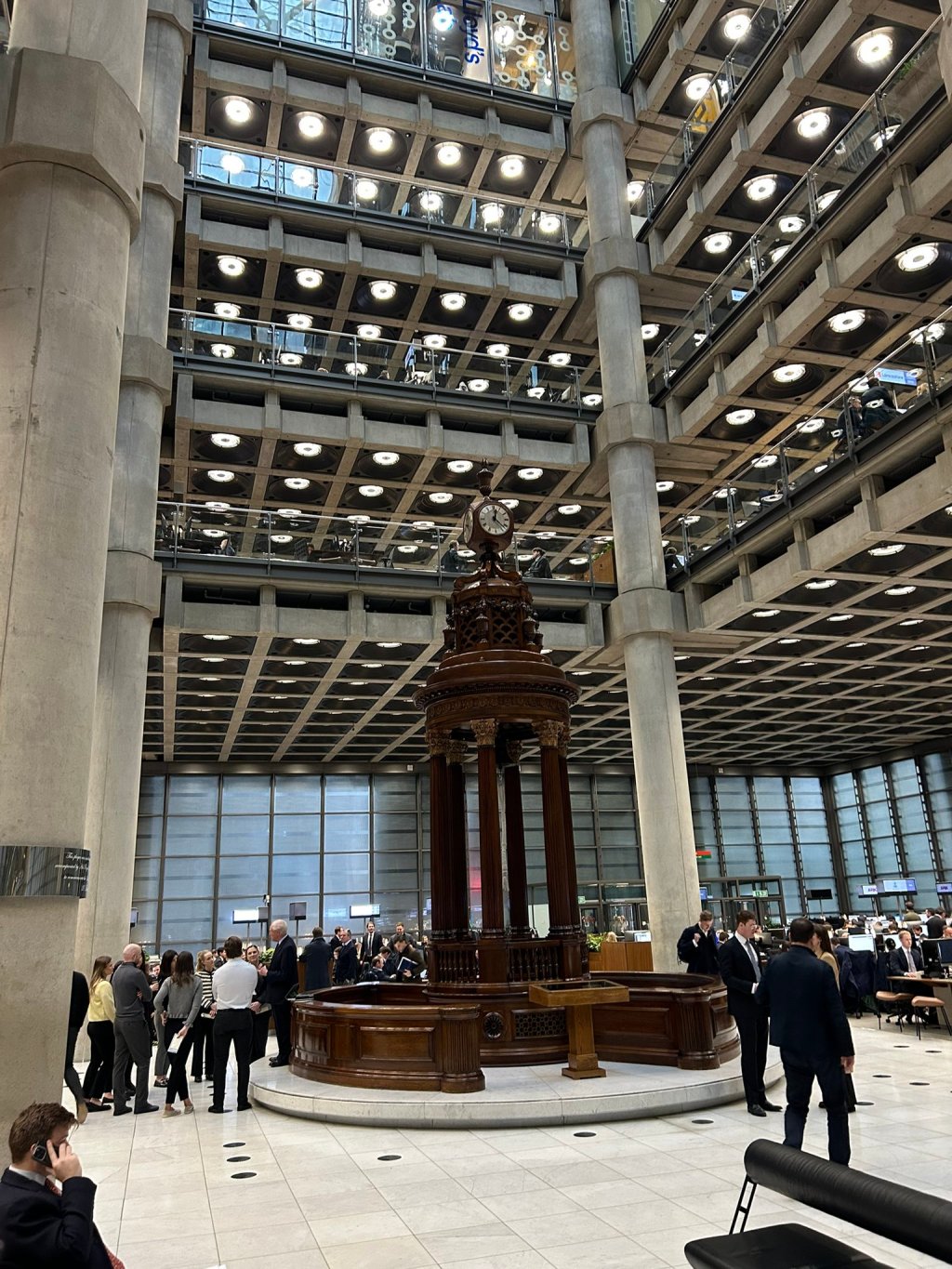
Not because the underwriter is bad at their job. Not because the risk wasn’t worth writing. Not even because they’ve had a very good lunch – although, frankly, if someone’s taken you to Leadenhall at 12:30 on a Thursday, getting to page 847 of a submission was never really on the cards.
They don’t get to 60% because there aren’t enough hours in the day. Or because Leadenhall happened. Probably both.
Jonathan Crystal, who spent two decades in brokerage before moving into insurtech startups, put it nicely: the industry spent 20 years and untold billions digitising its inbox without actually solving the problem. Paper became PDF. Fax became email attachment. Filing cabinets became servers. And still nobody actually read the submission.
When you think about it, this is a problem as old as our market itself.
Edward Lloyd didn’t build the most important insurance market in the world by accident. He built it by solving exactly one problem: getting the right information in front of the right people quickly enough to do something about it. Sailors came in. News travelled. Someone looked at a rotting hull bound for the West Indies, weighed the odds, and said “three percent.” The whole thing ran on signal – the ability to cut through the crap and actually make a decision. It was, in modern parlance, a workflow tool. Luckily, Edward Lloyd lived in a time before PowerPoint and business consultants.
Three hundred and forty years later, we’re still solving the same problem. Just with more paperwork.
Which brings me, with all the subtlety of a broker on his third Negroni, to <Product Name>.
Filter. Score. Price. The wheel hasn’t changed. We’re just trying to make it spin faster – and make sure it spins at all for the 60% currently sitting unread in someone’s inbox.
Crystal’s point about AI is not that it replaces underwriting judgment. It’s that it finally executes the models we already have, properly, for the first time. The risk’s always been there; but most of it went unnoticed. Rather like this email, which I’m sure most of you have been filing unread since January.
Edward Lloyd’s coffee shop isn’t going anywhere.
It just needs to read its emails.
Have a good week.
Rob


Leave a comment