Every week; I write my team a (hopefully) motivational email. Some people suggested I turn it into a blog. Here is this week’s (company and product name removed due to a tiresome online stalker)
As you read this, the MV Hondius is sitting off the coast of Tenerife. You’ve probably seen it on the news. There’s been a hantavirus outbreak on board and the world is watching.
I’m not going to talk about the outbreak. Other people are covering that and they should. What I want to talk about is the bit nobody on the news is talking about.
Where does a ship go when nobody wants it?
You’re a cruise ship in the middle of the Atlantic. You need to dock. Cape Verde says it can’t handle you. The president of the Canary Islands says “I cannot allow this ship to enter.” The WHO tells Spain it’s got a moral and legal obligation to let it. Politicians are on television pointing fingers. Diplomats are on phones. Governments are arguing.
While all of that is happening, do you know what’s actually keeping that ship moving, keeping those passengers fed, keeping the fuel flowing and the medical supplies coming?
Our market is.
Specifically, the protection and indemnity cover that someone priced months ago when this voyage was nothing more than a brochure with pictures of penguins and a promise of Antarctic sunsets.
Months ago, an underwriter looked at an expedition cruise itinerary that included Antarctica, the South Atlantic, and several of the most remote islands on earth. The nearest hospital: days away. The nearest port willing to accept a ship in distress: possibly unknown. The medical facility on board: one doctor, some anti-inflammatories, and an oxygen tank.
And that underwriter said: yes. I’ll price that. I’ll cover that.
Cuthbert Heath, signing smallpox policies in the 1890s, would have recognised the instinct immediately. A risk that most people would walk away from. A voyage to the edge of the world? “Sure, why not?“
This is what our market does:
Politicians are busy arguing,
The ports are refusing access,
The WHO is issuing statements,
But the insurance industry was already standing by.
It was there before the ship left Ushuaia
It was there before the first passenger packed a suitcase.
Someone, somewhere, in a room, with a pen, decided that this voyage was a risk worth taking.
And here’s a thing:
Expedition cruises are booming. Demand for Antarctic voyages has exploded. The risks are getting more complex, more remote, more novel. Every one of those ships needs underwriting. Every one of those itineraries needs pricing. Every one of those voyages needs someone to look at a route that goes to the literal end of the earth and say “I’ll take 7.5%”
The underwriters making those calls need the best data we can give them. They need to see the risk clearly, assess it quickly, and make a decision with confidence – because when something goes wrong at the bottom of the world, there’s no time to go back and check a spreadsheet.
That’s <Product Name>. That’s what we’re building. Not for the routine risks. For the ones that make you pause. The ones where the nearest port might refuse you entry and the nearest hospital is a military evacuation away. The ones that matter.
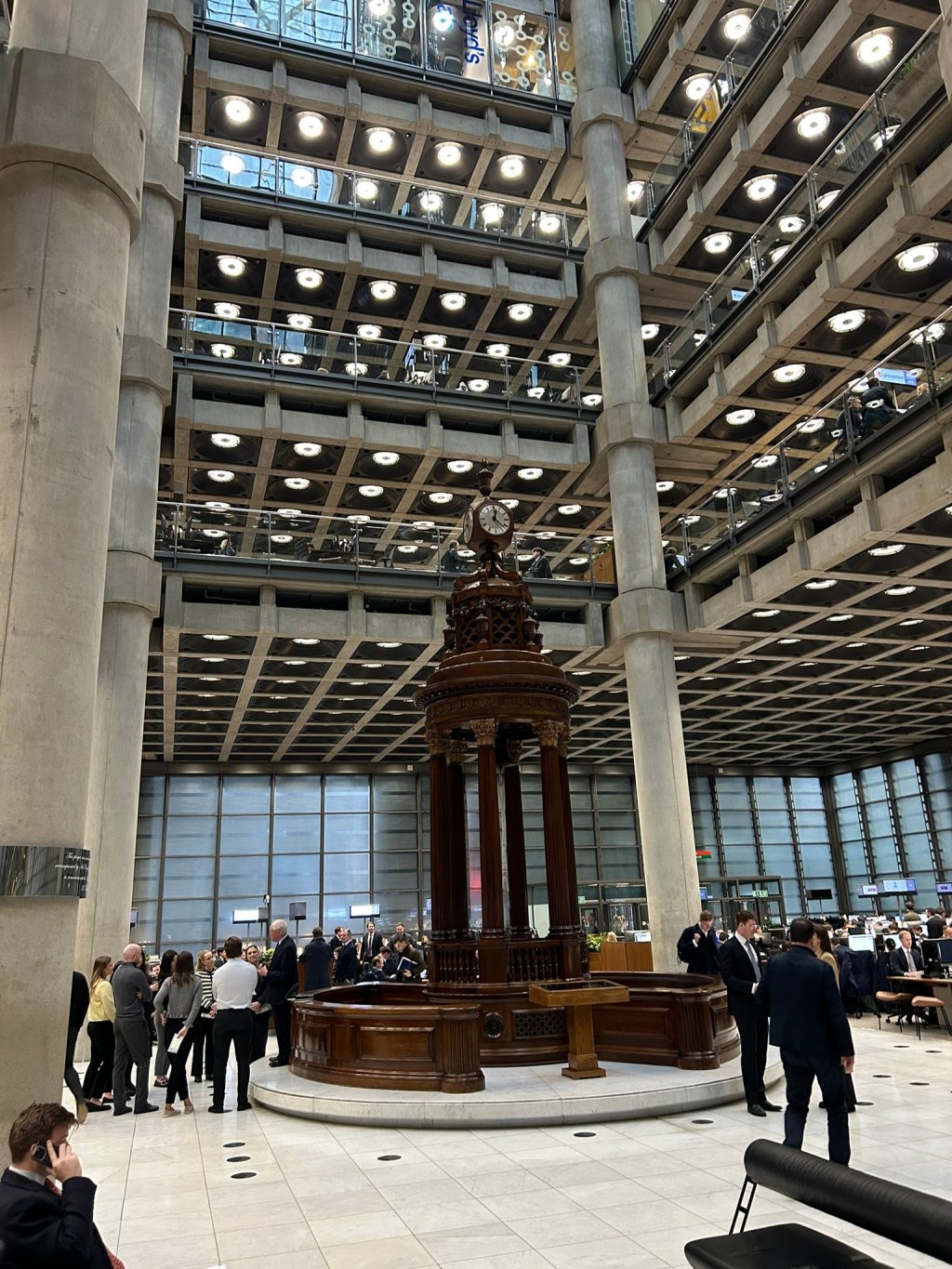
Somewhere in the Lloyd’s market right now, an underwriter is looking at the MV Hondius story and thinking about what it means for their next expedition cruise renewal.
They’re going to need better tools.
We’re building them.
Have a good week.
Rob
P.S.
Paul XXX, head of YYYYY, asked to join this email this week. Turns out we went to school together and didn’t know. This market is a village. Welcome to the nonsense, Paul. I’m sorry.


Leave a comment